[[ project.title ]]
- [[ detail[0] ]] * [[ detail[2] ]] [[ detail[1] ]]
- In Q4 2024, HIVE announced the development of a cutting-edge 100 MW hydroelectric-powered data center in Paraguay, strategically located to harness the country’s abundant and cost-effective renewable energy.
- Additionally, HIVE made a transformative acquisition of an additional 200 MW facility in Paraguay, increasing its global footprint to 25 EH/s and solidifying its position as a global leader in sustainable Tier-I computing infrastructure.
- HIVE intends to develop an additional 100 MW of hydroelectric-powered data center capacity at its Yguazú campus in Paraguay, with full commissioning targeted for calendar Q3 2026.
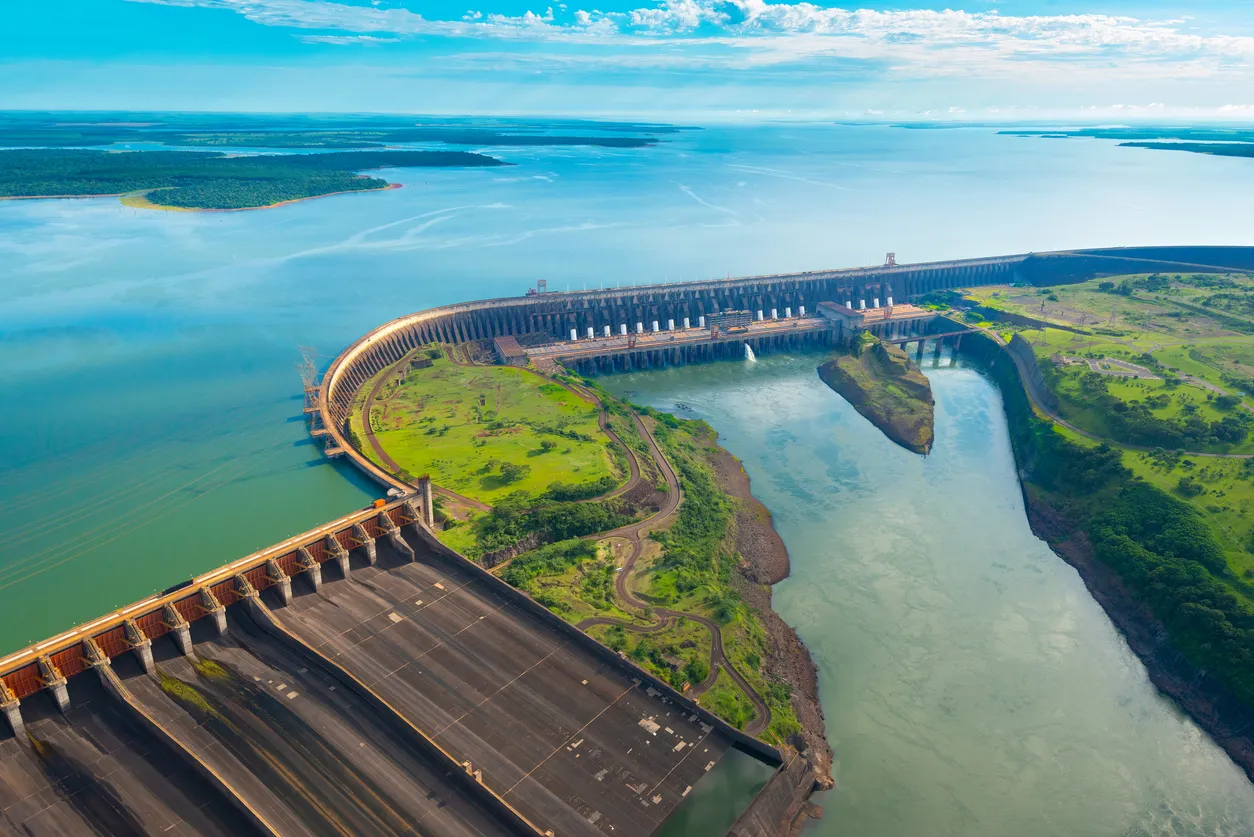 HIVE's Paraguay operations are powered by hydroelectricity from the Itaipu Dam.
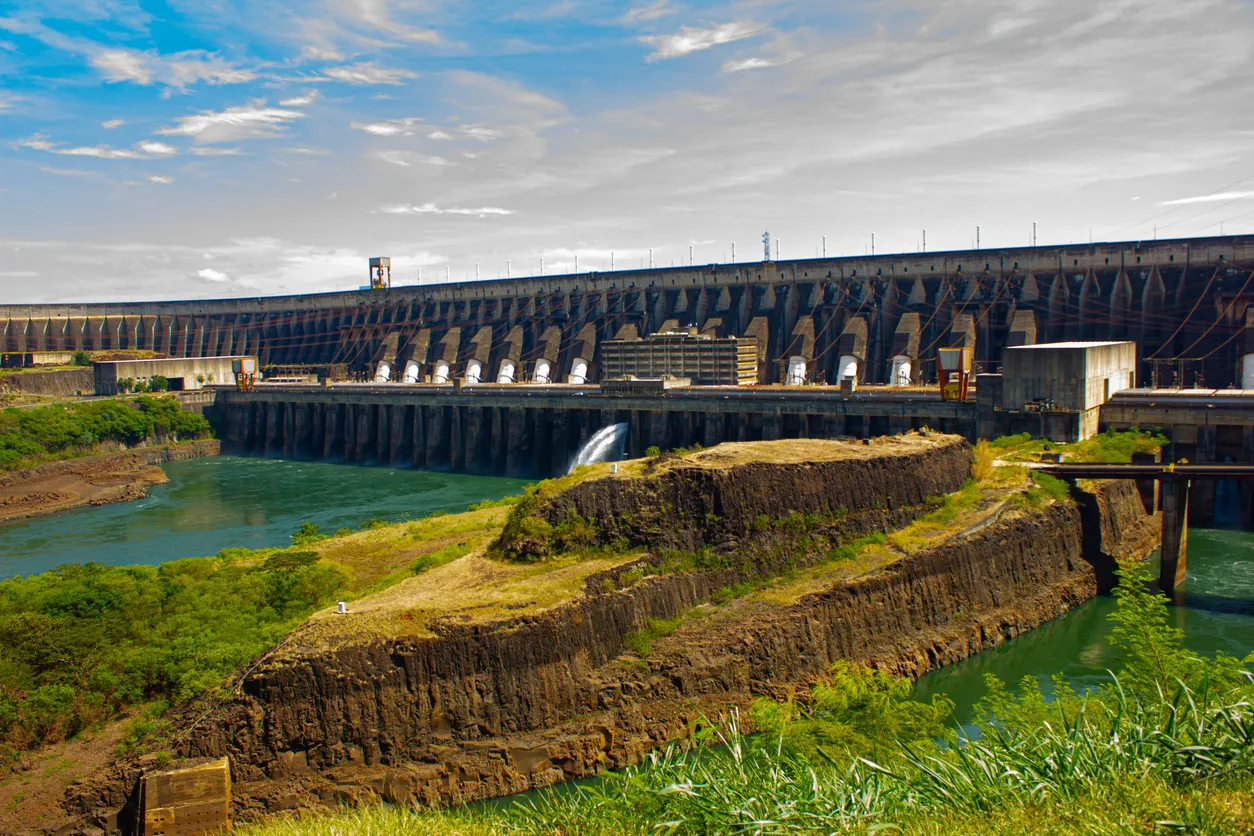 Named one of the Seven Wonders of the Modern World, the Itaipu Dam took 40,000 workers nearly a decade to build and stretches over 7 kilometers across the Parana River.
Our Approach to Tier-I Infrastructure as a Pathway to Tier-III
Our current development efforts are focused on establishing a Tier-I power and site infrastructure foundation. In our view, this foundational phase, covering grid interconnection, substation capacity, transmission access, redundancy planning, and land and permitting readiness, forms the durable base required for advanced data-center development. These elements are not transitional or disposable; they are the structural underpinnings upon which higher-tier infrastructure can be built.
We believe Tier-I power infrastructure represents the critical first step toward enabling Tier-III-class AI and high-performance computing environments. Securing scalable megawatt capacity, transmission rights, and flexible electrical design is, in our perspective, a prerequisite to achieving the redundancy, availability, and reliability standards associated with Tier-III facilities. Establishing this foundation early allows subsequent investments, such as backup generation, cooling systems, and fault-tolerant architectures, to be layered efficiently over time.
Our intent is to design Tier-I infrastructure with future expansion in mind.
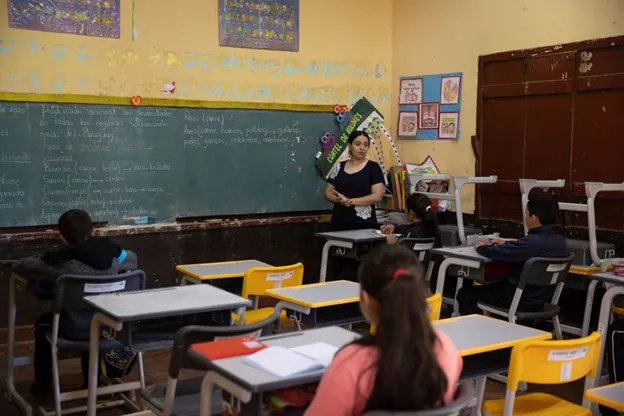 A classroom in Valenzuela, Paraguay. HIVE funded air conditioning upgrades so students can learn in comfort year-round.
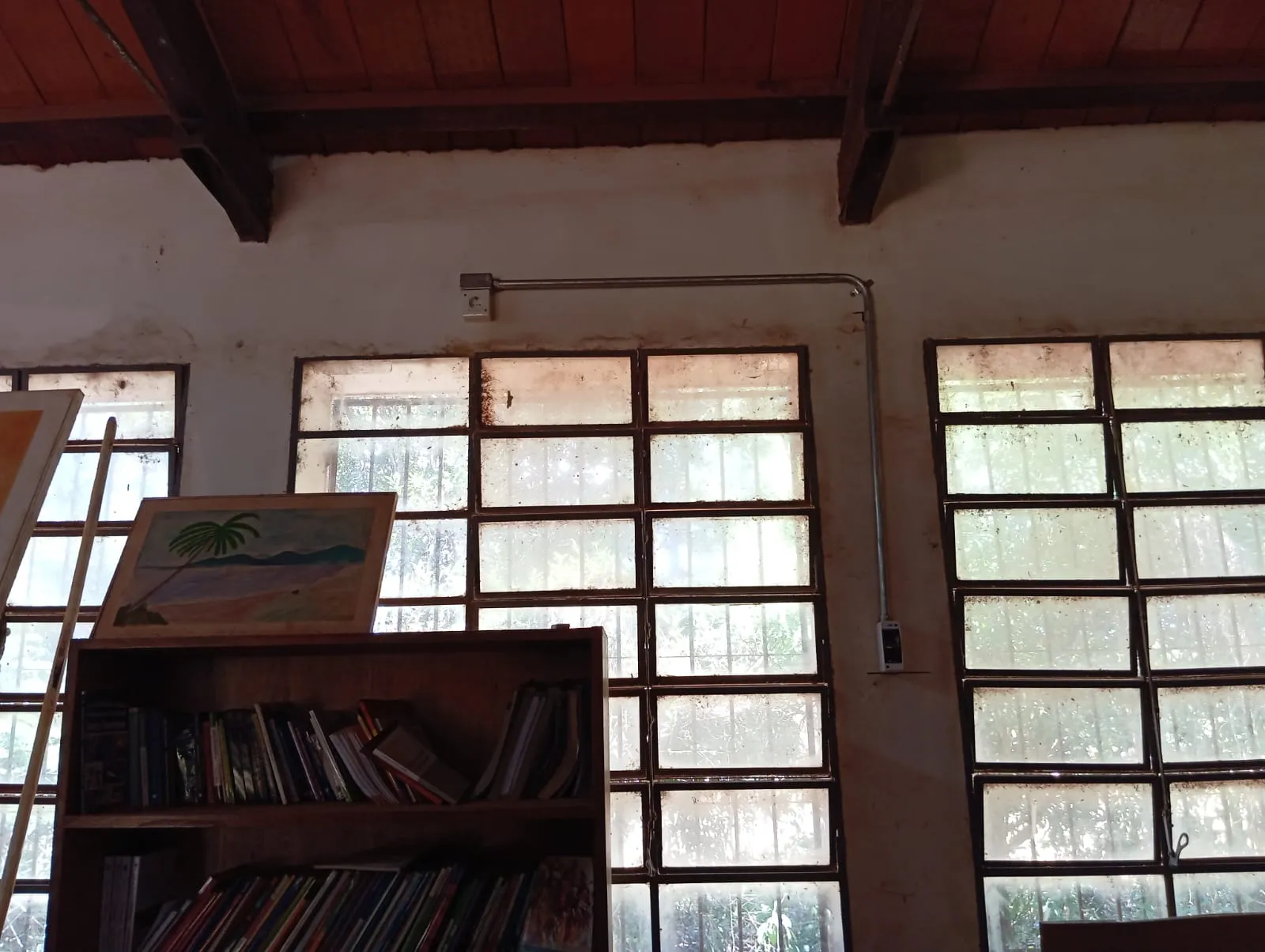 Upgraded electrical infrastructure inside a Valenzuela school, part of HIVE's hands-on investment in the communities where we operate.
Building More Than Infrastructure:
Our commitment to Paraguay goes far beyond megawatts and compute capacity.
We believe that responsible infrastructure companies must be active participants in the communities where they operate. That belief shapes how we show up locally.
HIVE supports education initiatives in the communities where we do business because skills, opportunities, and access are what turn growth into shared prosperity.
That support goes beyond programs and partnerships. It includes practical improvements that make a real difference in daily learning, from upgraded air conditioning and fresh paint to new chalkboards and improved classroom spaces.
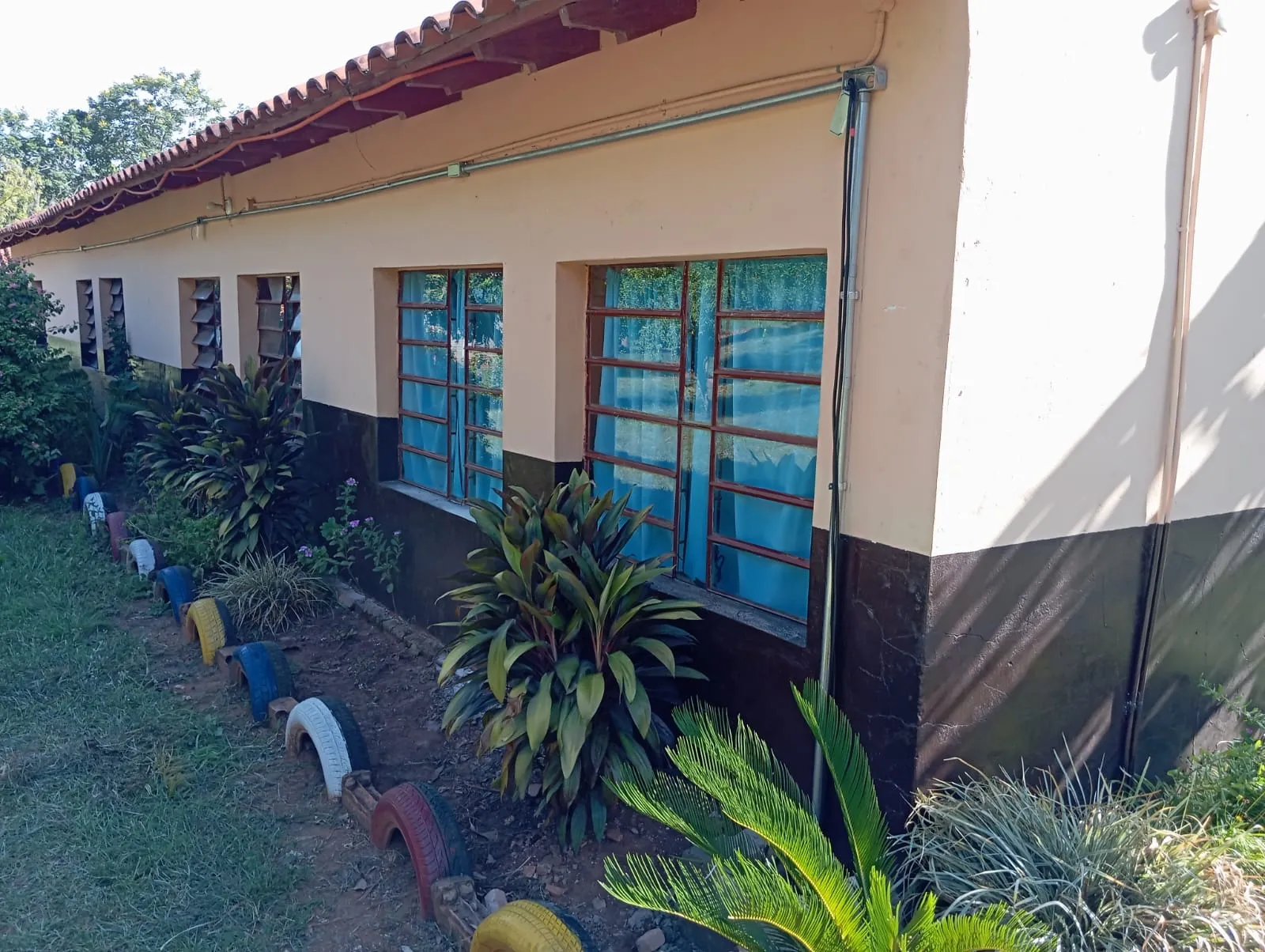 A school in Valenzuela with newly installed electrical conduits. One of several practical improvements HIVE has funded alongside its Paraguay operations.
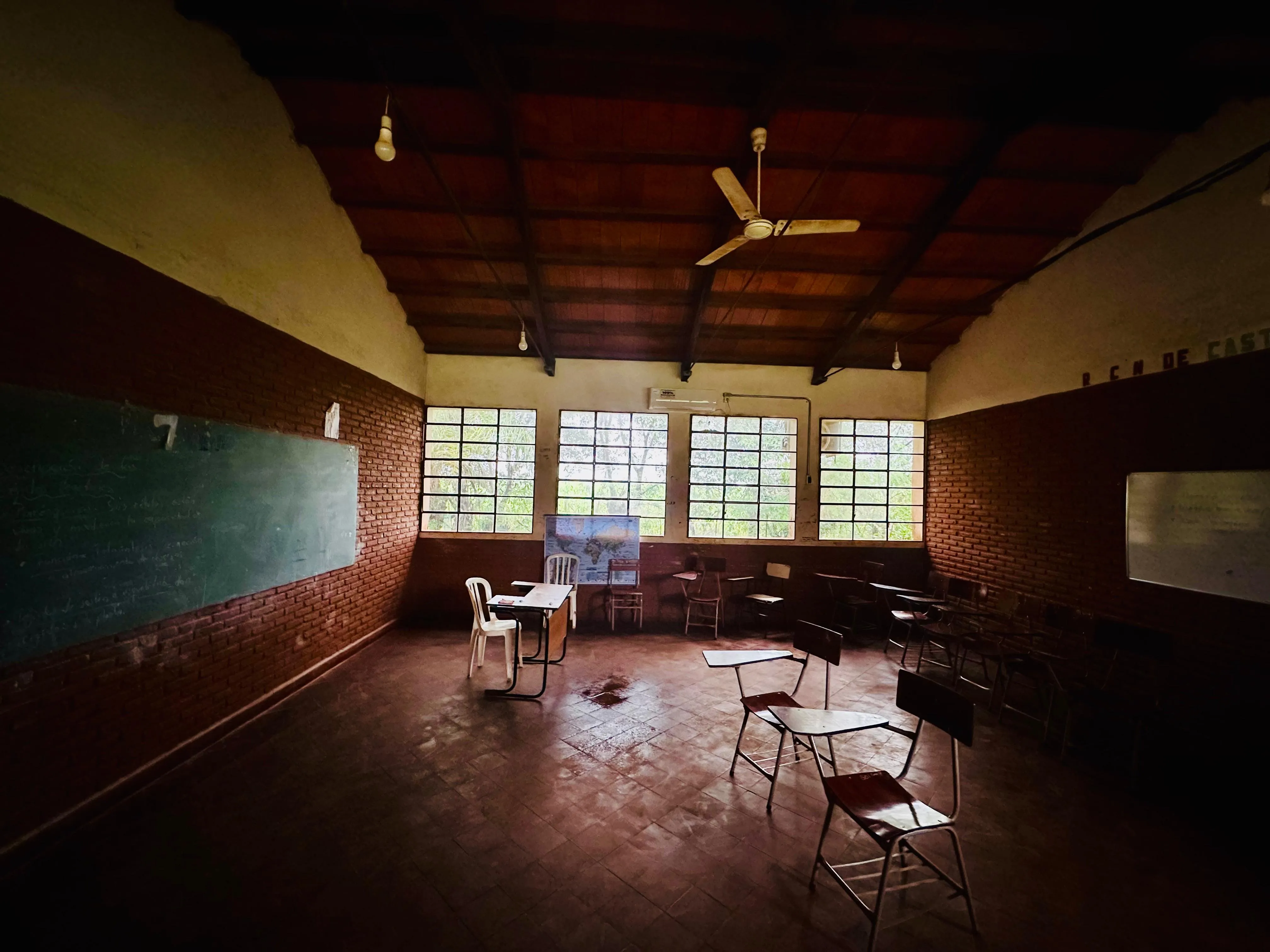 This Valenzuela classroom received new electrical wiring and air conditioning through HIVE's local education initiatives.